
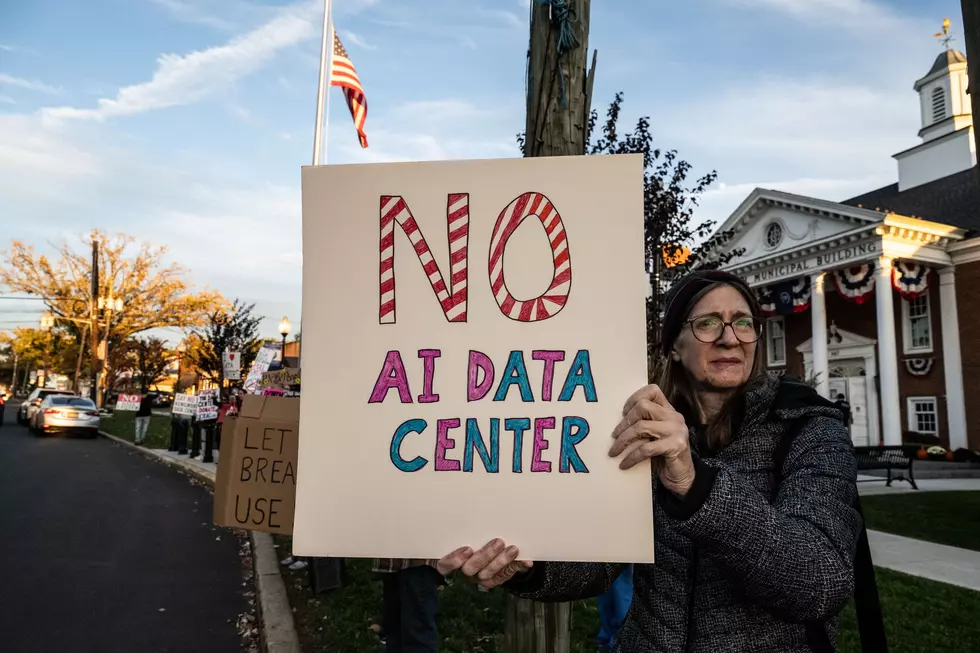
More Than 50 Indiana Counties Are Restricting Data Centers
Indiana Data Centers: Who Benefits and Who Pays?
On Tuesday, we were sitting at my daughter's soccer game. I was yammering on about something (nothing) to my husband when suddenly he said, "SHHHHH!"
I know my husband well enough to know that if he stops me mid-sentence, I should probably zip it until he gives me the go-ahead. I tried to listen to what he was tuned into, but all I heard were the mumblings of conversations from families all around us.
Finally, he looked at me and said, "The people behind us are talking about the data center they want to put in Warrick County."
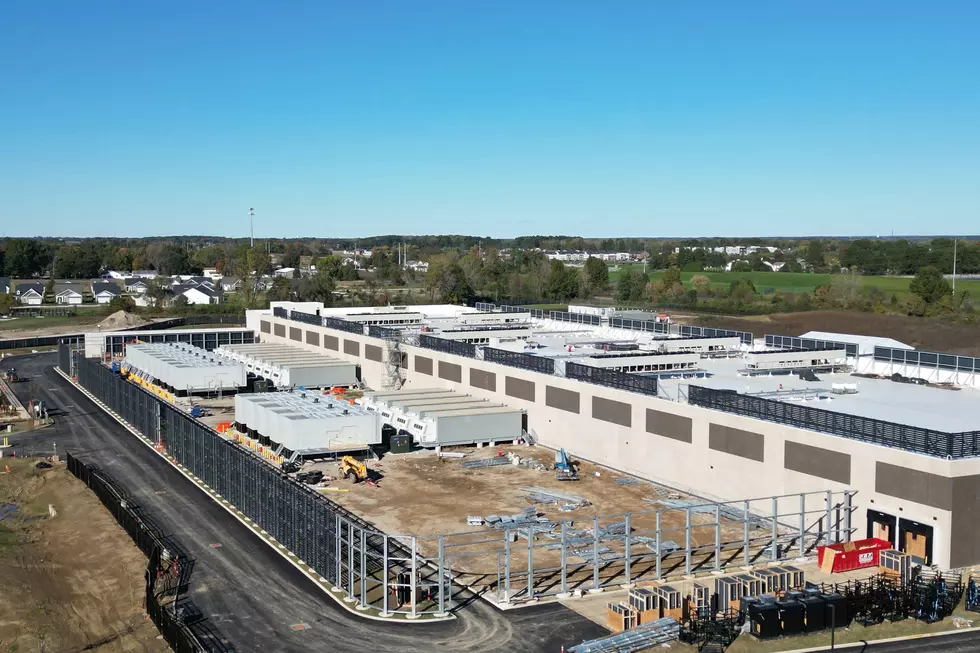
I zeroed in on them and realized Grandpa was fired up! He recently attended a local meeting and said there were a lot of emotions flying around. And for good reason. Data centers have been known to bring noise and light pollution, use up resources like water, raise utility bills, increase taxes, and bring little to the community.
A Case For & Against Data Centers
Now, there are some folks who believe we should be welcoming data centers with open arms. They believe big construction projects will bring business. Data centers will also create a wide range of technical careers and tax relief. Even Indiana Gov. Mike Braun has been very open about his belief that Indiana should be on the forefront of data center construction.
"For at least 70 of our rural counties, it'd be the biggest thing it could ever hit in terms of lowering property taxes, all kinds of construction jobs, and 200 to 300 probably the best-paying jobs you have in that rural county," he said at a panel in Bloomington.

I started looking into it, and more than half of the state's counties have now taken steps to restrict where these massive facilities can be built.
According to Indiana University's Environmental Resilience Institute, at least 50 Indiana counties have adopted some type of data center restriction. Some counties, like Warrick and Vanderburgh, have placed temporary construction pauses, while others have regulations in place, and some have outright banned data centers altogether. But there are also many counties that have no restrictions in place.
The issue is drawing attention as communities weigh the potential economic benefits against concerns about electricity use, water consumption, noise, and the impact on surrounding neighborhoods.
And this isn't just a debate happening somewhere else in Indiana. Here in the Tri-State, counties are working on their own rules as interest in data center development continues to grow.
What's Happening With Data Centers in the Area?
In Warrick County, a potential data center called "Project Alloy" is being considered. According to 14 News, insiders have told the station that the Project Alloy team has a letter of intent to develop on 700 acres of Alcoa-owned land.
Warrick County commissioners and the Area Plan Commission (APC) are working on an ordinance that would set rules for data centers and how potential projects are considered.
The next public hearing is scheduled for November 2 at 6 p.m. at the Friedman Park Event Center. County commissioners are scheduled to consider the APC recommendation at their regular meeting on November 9 at 4 p.m.
Vanderburgh County has a similar temporary moratorium in place. Both county and city officials have temporarily paused data center development while considering potential impacts and local rules. Evansville City Council approved a 180-day moratorium on October 5.

AI Is Everywhere, Even When You Don't Realize It
Now, we can oppose data centers all we want, but the truth is, they aren't going anywhere. You might think "AI" is just typing your dumb questions into ChatGPT and getting a comprehensive response, or kids using Gemini to do their homework. But AI has infiltrated every single corner of our lives.
AI is everywhere, even in places you'd least expect it.
- GPS and traffic apps
- Facial recognition on your phone
- Credit card fraud detection
- Netflix and streaming recommendations
- Grocery store self-checkout systems
- Spam filters in your email
- Car safety features and driver assistance
- Alexa and Siri
- Medical scans and diagnostic tools
- Online shopping recommendations
- Farm equipment and precision agriculture
- Customer service phone systems
- Weather forecasting
- Home security cameras
- Music streaming recommendations
- Photo editing on your phone
- Smart thermostats
- Airline ticket pricing
- Social media feeds
- Translation apps
I used AI to compile a list of where AI is used. Full circle moment for me... You've probably utilized AI today a dozen times and had no idea you were doing so.


Who Actually Makes Money From Data Centers?
And then there's money.
Who actually makes money off these data centers? You guessed it. The technology companies that operate them are the biggest winners, followed by the companies that build and operate them, the investors who own them, landowners, and utility companies. Ooof, hits close to home.
Local communities can benefit, too, but the money doesn't automatically trickle down to residents.
Data Centers, Political Donations, and Indiana Lawmakers
Oh, and then there are the politicians who might not outright take bribes and payouts but certainly don't reject campaign funds.
In March 2026, the Indiana Capital Chronicle reported that state lawmakers met privately with data center lobbyists before making changes to a proposal that would pay communities for approving data centers. Those changes meant local governments could receive much less money than originally proposed.
"What Republican lawmakers pitched as a potentially multi-million dollar incentive for Indiana cities and counties to approve future data center projects was sliced to a small fraction of that amount in the final days of the legislative session.
"Those changes that weren't discussed in public mean a large data center with a possible annual electric bill of $500 million would face paying a maximum $350,000 a year to a local government rather than a minimum of $5 million as under the Senate-backed version."
Hmmm, did these particular lawmakers receive hefty campaign donations, promises for upcoming elections, or any other form of financial benefits from the data center lobbyists? Hard to say. But with closed-door meetings, it's also hard to say just what went down.
Shady? Yes. Yes, it is. Legal? Probably so!
How to Find Out Where Local Politicians Stand on Data Centers
With upcoming elections, it's hard to know who to vote for if you don't vote along party lines. But there are resources you can look at beforehand to help you determine who aligns best with your values.
Ballotpedia is a nonpartisan, nonprofit resource that shows you who's on the ballot, provides information about candidates, and may include where they stand on specific issues.
- 2026 Vanderburgh County Elections: Visit Ballotpedia
- 2026 Warrick County Elections: Visit Ballotpedia
- 2026 Gibson County Elections: Visit Ballotpedia
- 2026 Posey County Elections: Visit Ballotpedia
- 2026 Spencer County Elections: Visit Ballotpedia
- 2026 Pike County Elections: Visit Ballotpedia
- 2026 Dubois County Elections: Visit Ballotpedia
- 2026 Daviess County, Kentucky Elections: Visit Ballotpedia
- 2026 Henderson County, Kentucky Elections: Visit Ballotpedia
- 2026 Ohio County, Kentucky Elections: Visit Ballotpedia
You can also look up campaign finance reports through the Indiana Secretary of State's website.
Make Your Voice Heard
If you feel strongly about data centers, be sure to attend local meetings and make your voice heard. Write to your elected officials. Call their offices and leave messages.
But always be respectful. They don't know what the majority wants until you make it known!
Indiana's Most Dangerous Cities in 2025
Gallery Credit: Travis Sams